Banff National Park
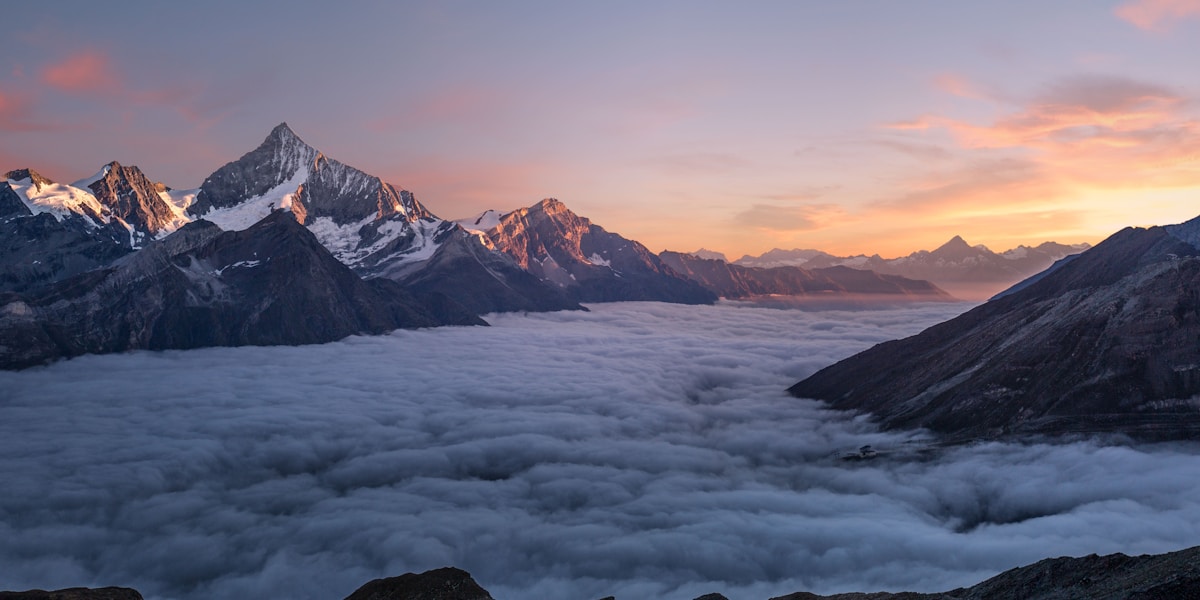
Image Source for YOUR version: Search Unsplash Pro, Getty Images, or Shutterstock for: "Moraine Lake Banff sunrise" or "Lake Louise turquoise water aerial". Budget: $10-30 per image. Free alternative: Parks Canada Media Gallery (requires attribution).
Banff National Park, established in 1885, holds the prestigious distinction of being Canada's first national park and the world's third, making it a cornerstone of global conservation history. Nestled in the heart of the Canadian Rockies in Alberta, Banff encompasses 6,641 square kilometers of pristine mountain wilderness, featuring the iconic turquoise lakes, soaring peaks, vast icefields, and abundant wildlife that have made it one of the most photographed and visited national parks on Earth.
The park attracts over 4.1 million visitors annually, drawn by legendary destinations like Lake Louise, Moraine Lake, and the Icefields Parkway. Despite this popularity, Banff contains vast wilderness areas where solitude and wildlife encounters remain abundant. The town of Banff, located within park boundaries, serves as the primary hub, offering world-class amenities while Parks Canada carefully manages development to preserve the park's ecological integrity.
The Birth of Canada's National Parks System
Banff's creation story is legendary in conservation circles. In 1883, three Canadian Pacific Railway workers—Franklin McCabe, William McCardell, and Thomas McCardell—discovered hot springs on Sulphur Mountain while working on the transcontinental railway. Recognizing their commercial potential, the Canadian government reserved the area around the Cave and Basin Hot Springs in 1885, initially as a small 26-square-kilometer reserve. This modest beginning sparked Canada's national park system and influenced park creation worldwide.
The Cave and Basin site remains accessible today, featuring restored historic pools, interpretive exhibits, and the original thermal springs that Indigenous peoples had used for over 10,000 years before European contact. The Stoney Nakoda First Nations, who called this area home, knew these springs as sacred healing waters long before they caught the attention of railway workers.
Hidden Gems & Lesser-Known Facts
- Wildlife Crossings Pioneer: Banff pioneered wildlife crossing infrastructure with over 44 overpasses and underpasses specifically designed for animal movement. These structures have enabled more than 200,000 wildlife crossings since monitoring began, reducing vehicle collisions by over 80%. The crossings serve as models studied by highway planners worldwide, demonstrating that human infrastructure and wildlife conservation can coexist.
- The Turquoise Mystery Solved: The stunning turquoise color of Lake Louise, Moraine Lake, and Peyto Lake comes from "glacial flour"—rock particles ground so finely by glacial erosion that they remain suspended in the water. These particles refract sunlight, creating the spectacular blue-green hues. The color intensity varies dramatically with seasonal glacial melt, appearing most vivid in July and August when glacial melt peaks.
- Secret Lakes Without Crowds: While tourists queue for hours at Moraine Lake (which now requires advance reservations), locals know about hidden alternatives offering similar beauty with 10% of the crowds: Consolation Lakes (easy 3km hike from Moraine Lake), Boom Lake (moderate 10km round-trip), and Rockbound Lake (challenging 16km). These lakes provide the same glacial turquoise waters and mountain amphitheaters without the chaos.
- Underground Ice Age: The Castleguard Caves system extends over 20 kilometers underground beneath the Columbia Icefield, making it one of the longest cave systems in Canada. The caves contain ice formations dating back thousands of years and provide scientists with climate data preserved in ancient ice. Access is strictly controlled and limited to scientific research due to the caves' fragility and scientific importance.
- Banff's Elk Urban Problem: The town of Banff faces an unusual challenge—elk have become so comfortable with humans that they wander through town blocking traffic, bedding down on golf courses, and refusing to yield to vehicles. The park has installed special gates, fencing, and aversive conditioning programs to manage human-habituated elk. During the fall rut, bull elk become aggressive, leading to numerous close calls with tourists who don't respect safe distances.
- The Ghost Hotel: The Fairmont Banff Springs Hotel, opened in 1888, is allegedly haunted by multiple ghosts including a bride who fell down the stairs on her wedding day (now known as the "ghost bride"), and a former bellman named Sam who helps guests find their rooms. The hotel embraces its haunted reputation, offering ghost tours during the Halloween season.
- Moraine Lake's Movie Fame: Moraine Lake appeared on the Canadian $20 bill from 1969-1979, making it one of the most recognized Canadian landscapes globally. The lake sits in the Valley of the Ten Peaks, though ironically, you can actually see more than ten peaks from certain vantage points. The road to Moraine Lake now closes when the parking lot fills (often by 5:30 AM in summer), making sunrise visits essential.
- Wildlife Highway 93: The Bow Valley Parkway (Highway 1A) serves as an alternative to the Trans-Canada Highway and offers significantly better wildlife viewing. Parks Canada often closes portions of the road in spring to protect bears feeding on roadside vegetation, demonstrating the park's commitment to wildlife over human convenience.
Wildlife Encounters & Viewing Opportunities
Banff hosts 53 mammal species, including grizzly bears, black bears, wolves, cougars, elk, bighorn sheep, mountain goats, and wolverines. The park's wildlife corridors are carefully managed to allow animal movement between protected areas while minimizing human conflicts.
Planning Your Visit: Month-by-Month Guide
| Month | Weather | Crowds | Best For | Considerations |
|---|---|---|---|---|
| January-March | -15°C to -5°C, Heavy snow | Low | Skiing, ice climbing, winter photography | Many roads closed, extreme cold gear essential |
| April-May | 0°C to 15°C, Variable | Low-Moderate | Wildlife viewing (bears emerging), fewer crowds | Moraine Lake Road closed until late May, muddy trails |
| June | 10°C to 20°C, Rain possible | Moderate | Wildflowers, waterfalls at peak flow | Moraine Lake opens late May/early June, book accommodations ahead |
| July-August | 15°C to 25°C, Occasional thunderstorms | EXTREME | Hiking, all facilities open, warm weather | Moraine Lake parking full by 5:30 AM, advance shuttle reservations REQUIRED |
| September | 5°C to 15°C, Cool nights | Moderate-High | Larch trees golden, elk rut, fewer crowds | Best month for balance of weather and crowds |
| October | 0°C to 10°C, First snow | Low | Fall colors, photography, solitude | Many trails muddy or snowy, facilities closing |
| November-December | -10°C to 0°C, Snow | Very Low | Early skiing, holiday lights, quiet parks | Moraine Lake Road closed, Lake Louise Ski Resort opens |
Insider Tips from Park Veterans
Beat the Moraine Lake Crowds: The Moraine Lake situation has reached critical mass. The parking lot fills by 5:30-6:00 AM in summer, and once full, the road closes for the day. Your options: (1) Book the Parks Canada shuttle months in advance through the reservation system, (2) Arrive before 5:30 AM (seriously), (3) Stay at Moraine Lake Lodge (book a year ahead), or (4) Skip it entirely and visit the equally beautiful but crowd-free Consolation Lakes or Boom Lake instead.
Lake Louise Strategy: Similarly packed. Park at the overflow lot at the ski resort and take the free shuttle, or hike the Lake Agnes Tea House trail which starts from the same parking area but sees fewer people. The tea house itself (built 1901) serves fresh-baked goods and tea at 2,135 meters elevation—a worthy destination in itself.
Best Wildlife Viewing: Drive the Bow Valley Parkway (Highway 1A) at dawn or dusk. This scenic alternative to the Trans-Canada Highway offers better wildlife sightings and less traffic. Vermilion Lakes Drive, just outside Banff town, provides excellent sunrise/sunset photography and frequent bear, elk, and beaver sightings.
Free Parking Hack: Park at the Banff train station (free) and take the Roam public transit throughout the park. The local bus system connects all major attractions and costs just $2 per ride, saving parking headaches and fees.
Accommodation Booking: For summer visits, book accommodations 6-12 months in advance. For same-day booking, check the Parks Canada website for cancellations at park campgrounds, which are released at noon daily.
Essential Costs & Budgeting
| Item | Cost (CAD) | Notes |
|---|---|---|
| Parks Canada Discovery Pass (Annual) | $72.25/adult | Pays for itself after 7 days. Covers all national parks |
| Day Pass | $10.50/adult | Valid until 4 PM next day |
| Camping (Serviced) | $38-$49/night | Sites at Tunnel Mountain, Lake Louise, Two Jack |
| Camping (Unserviced) | $22-$28/night | More rustic but still vehicle accessible |
| Backcountry Permit | $10/person/night | Plus $12 reservation fee. Book 90 days ahead |
| Moraine Lake Shuttle (if available) | $8 round-trip | Advance reservation required, sells out fast |
| Lake Agnes Tea House | $10-15 | Cash only! Bring Canadian currency |
Budget Estimate: A 3-day visit for two people: Discovery Pass ($145), camping 2 nights ($100), food ($150), gas ($50) = approximately $445 CAD total, excluding travel to Alberta.
Official Source: Parks Canada - Banff National Park | Additional data: National Geographic Travel


